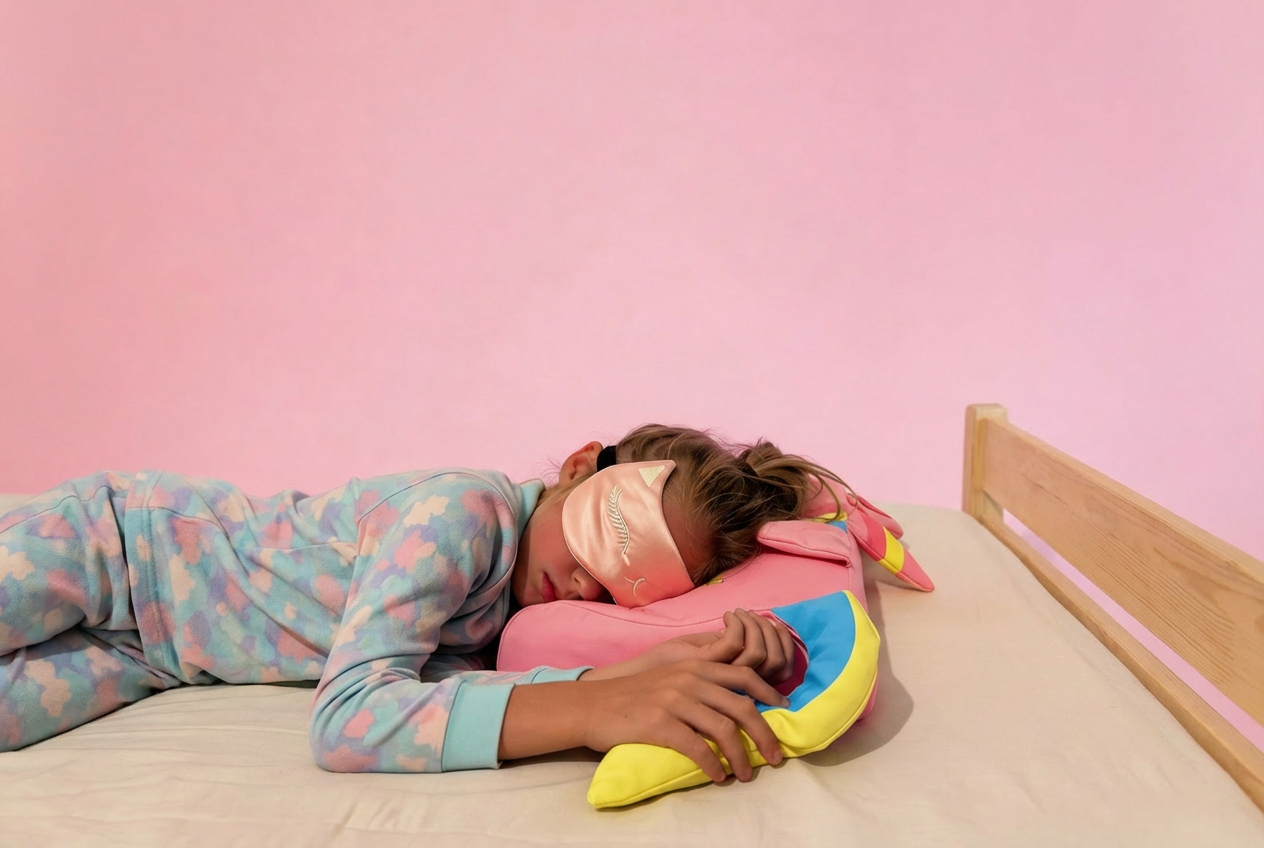
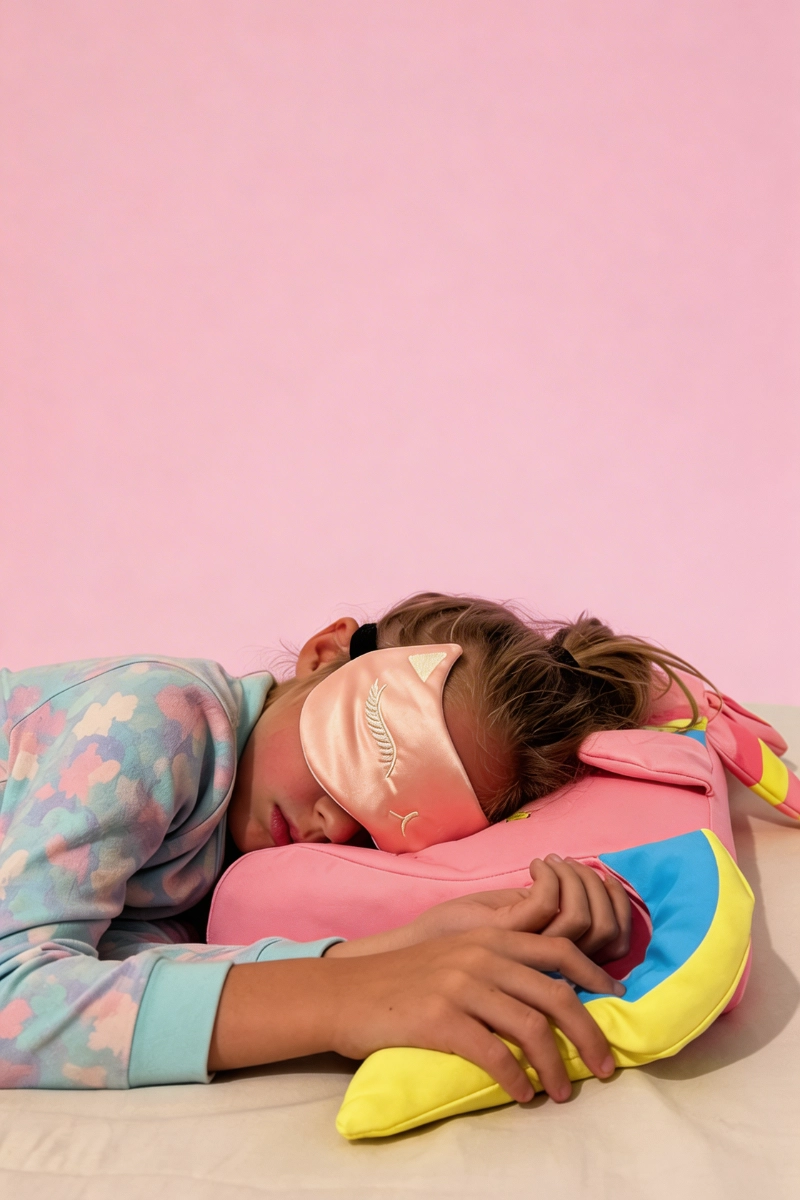


5 Reasons Your Child Can’t Fall Asleep (And It’s Not What You Think)
Loved by 37,000+ Families
5 Reasons Your Child Can’t Fall Asleep (And It’s Not What You Think)
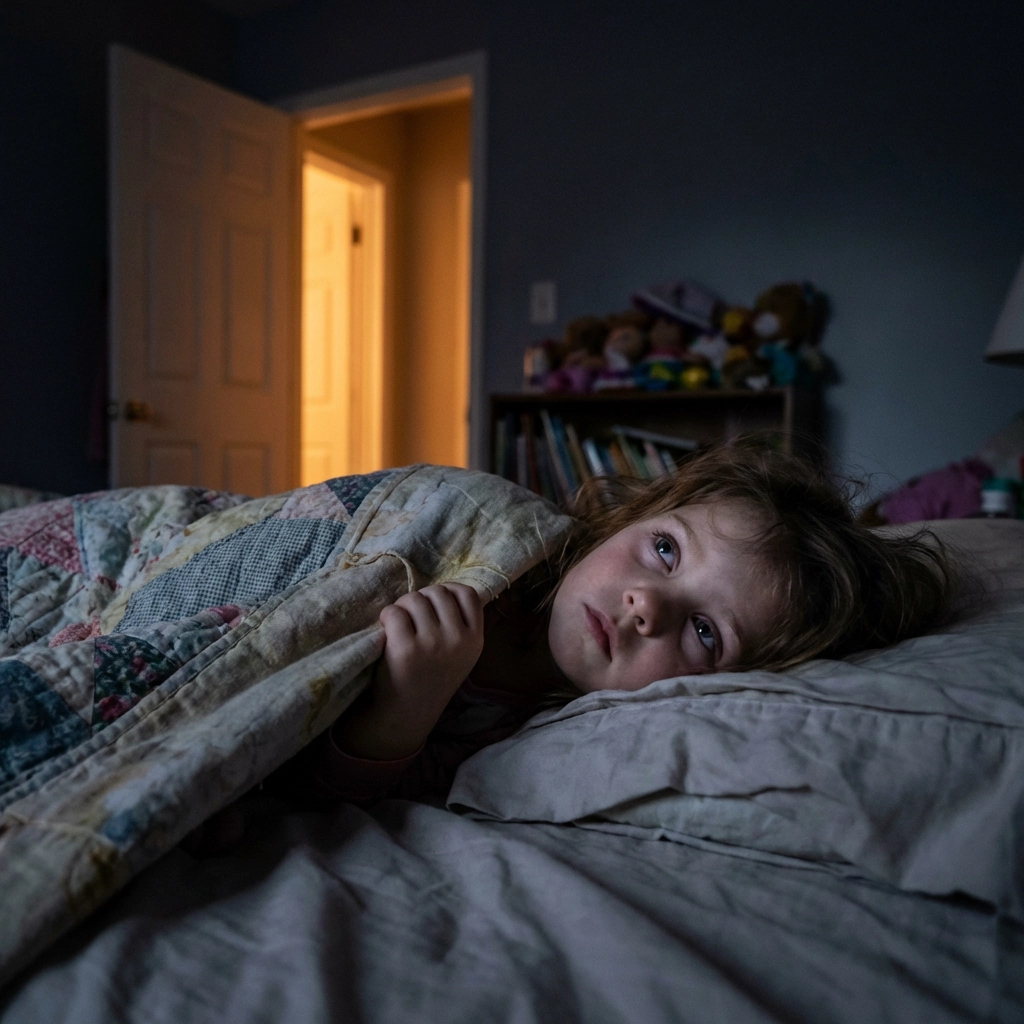
Nearly 1 in 3 American children struggle to fall asleep every night. It’s not a behavior problem. It’s a biology problem. Here's exactly what's happening in your child's brain at bedtime.
She's Exhausted. So Why Can’t Her Brain Switch Off?
1
She's Exhausted.
So Why Can’t Her Brain Switch Off?
All day long, your child's brain processes an enormous amount of stimulation — school, social interactions, screens, movement, noise. For some children, the shift from "active day" to "calm night" doesn't happen automatically.

Their nervous system stays stuck in what scientists call the sympathetic state — the same "fight or flight" mode that keeps adults awake before a big presentation. In this state, the brain keeps scanning for threats, even when there are none. Even when your child is exhausted.

This is why they can't "just relax." Their body isn't listening to reason. It's listening to its own alarm system.
The Missing Piece Most Parents Never Hear About
2
The Missing Piece Most Parents Never Hear About
Your Child’s Brain Needs A ‘Safety Signal’ To Fall Asleep.

Melatonin is the hormone your child's brain produces to signal "it's time to sleep." But here's what most parents don't know: melatonin can only rise when cortisol — the stress hormone — drops first.

If your child's nervous system is still activated at bedtime, cortisol stays high. And high cortisol literally prevents melatonin from doing its job. This is why giving melatonin supplements often only works temporarily: it adds the hormone but doesn't address why it's being blocked.

The body needs to feel safe before it allows itself to sleep.
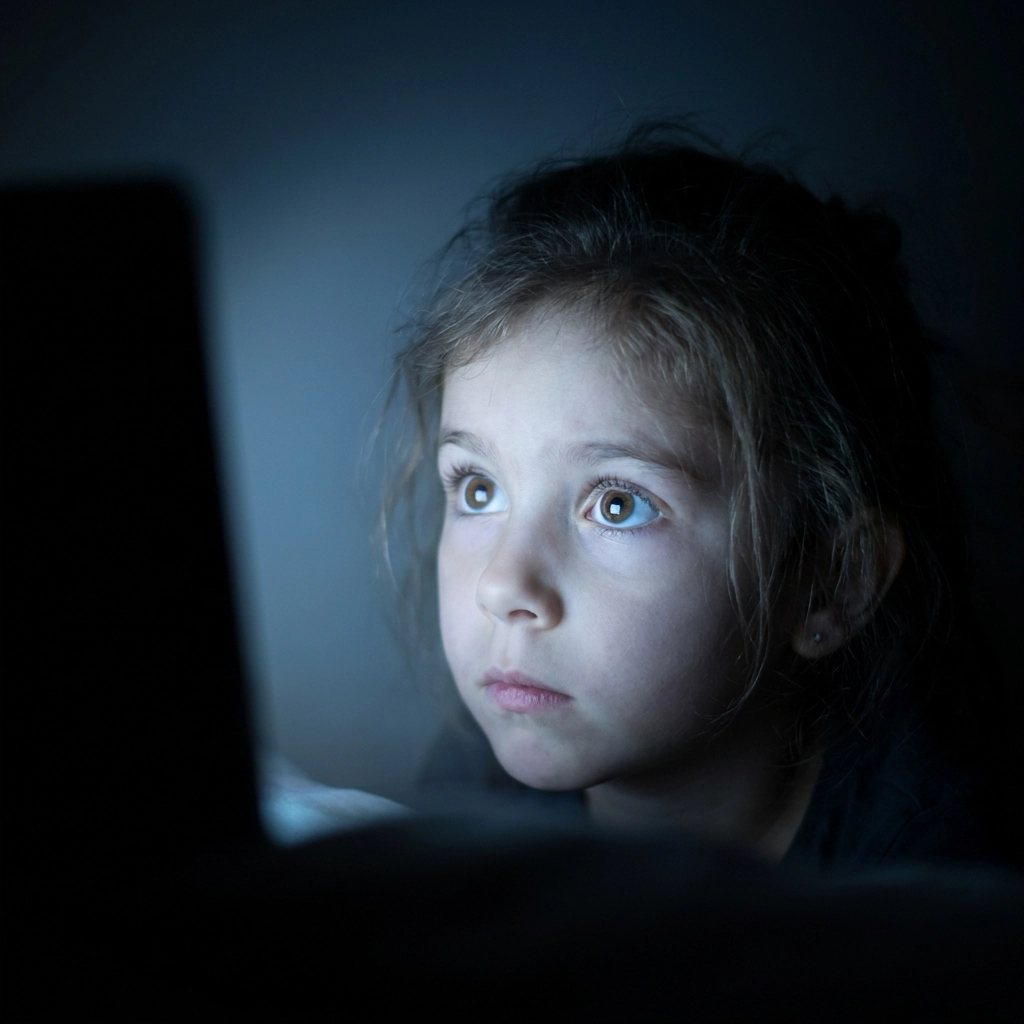
Screens Quietly Shift Your Child’s Natural Sleep Window
3
Screens Quietly Shift Your Child’s Natural Sleep Window
Here's the one most parents never hear about — and the one that changes everything.

Anxious children don't calm down through stillness. They calm down through touch. When a child fidgets, rubs fabric, or traces a texture with their fingers, they're not being difficult. They're self-regulating. Their nervous system is searching for sensory input that tells it: "you're safe, you can slow down."

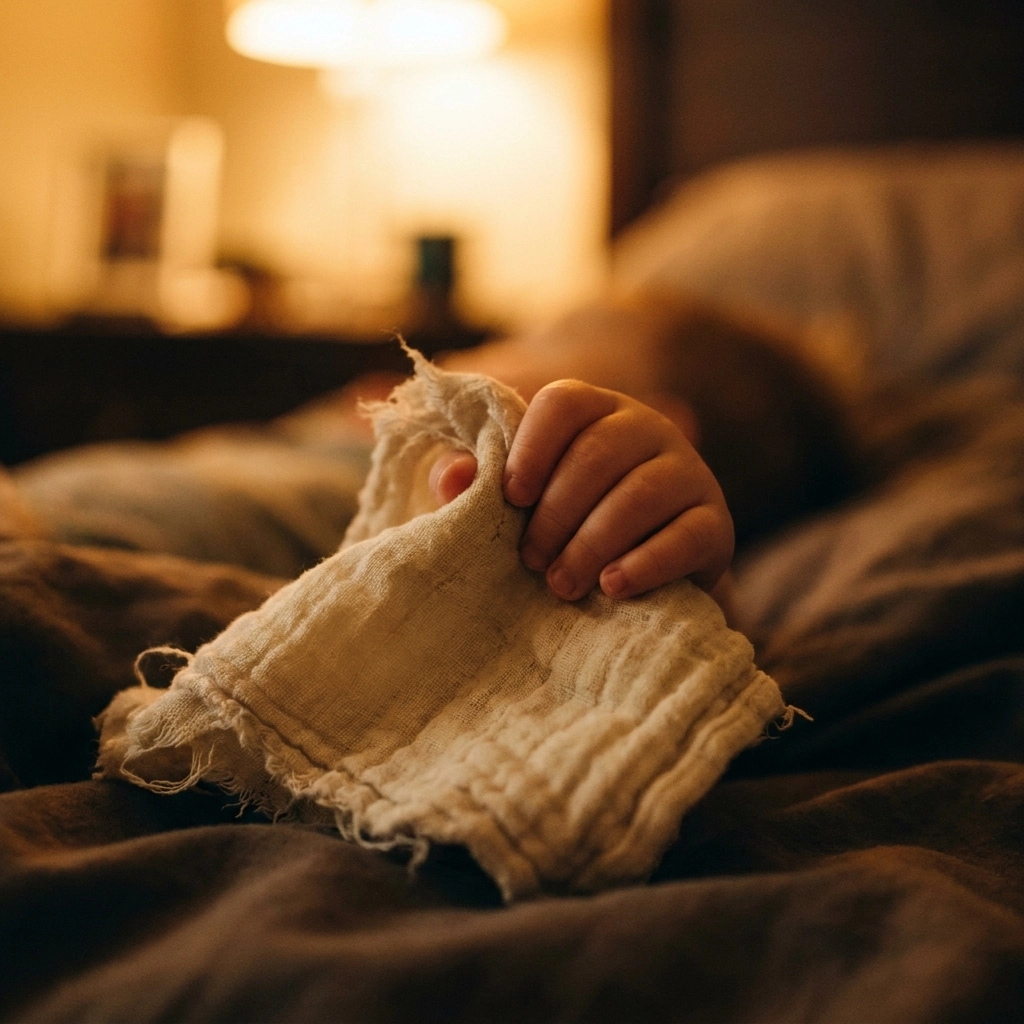
This is the same reason children want to hold your hand when they're nervous, or rub their favorite blanket when they're scared. The brain uses touch as a safety signal.

Without something to engage their hands at bedtime, the brain keeps searching — and keeps generating thoughts, worries, and restlessness to fill the gap.
Bedtime Has Become A Trigger Not A Routine
4
Bedtime Has Become A Trigger Not A Routine
The blue light emitted by tablets, phones, and TVs suppresses melatonin production for up to 2 hours after use. This means a child who watches something at 7pm may not naturally feel sleepy until 9pm — even if their bedtime is 8pm.

The result: you're asking their body to sleep before it's biologically ready. And a body that isn't ready doesn't sleep quietly. It fights.

Reducing screen time before bed helps — but it doesn't fix the underlying nervous system activation. That requires a different approach.
Bedtime Itself Has Become Associated With Anxiety
5
Bedtime Itself Has Become Associated With Anxiety
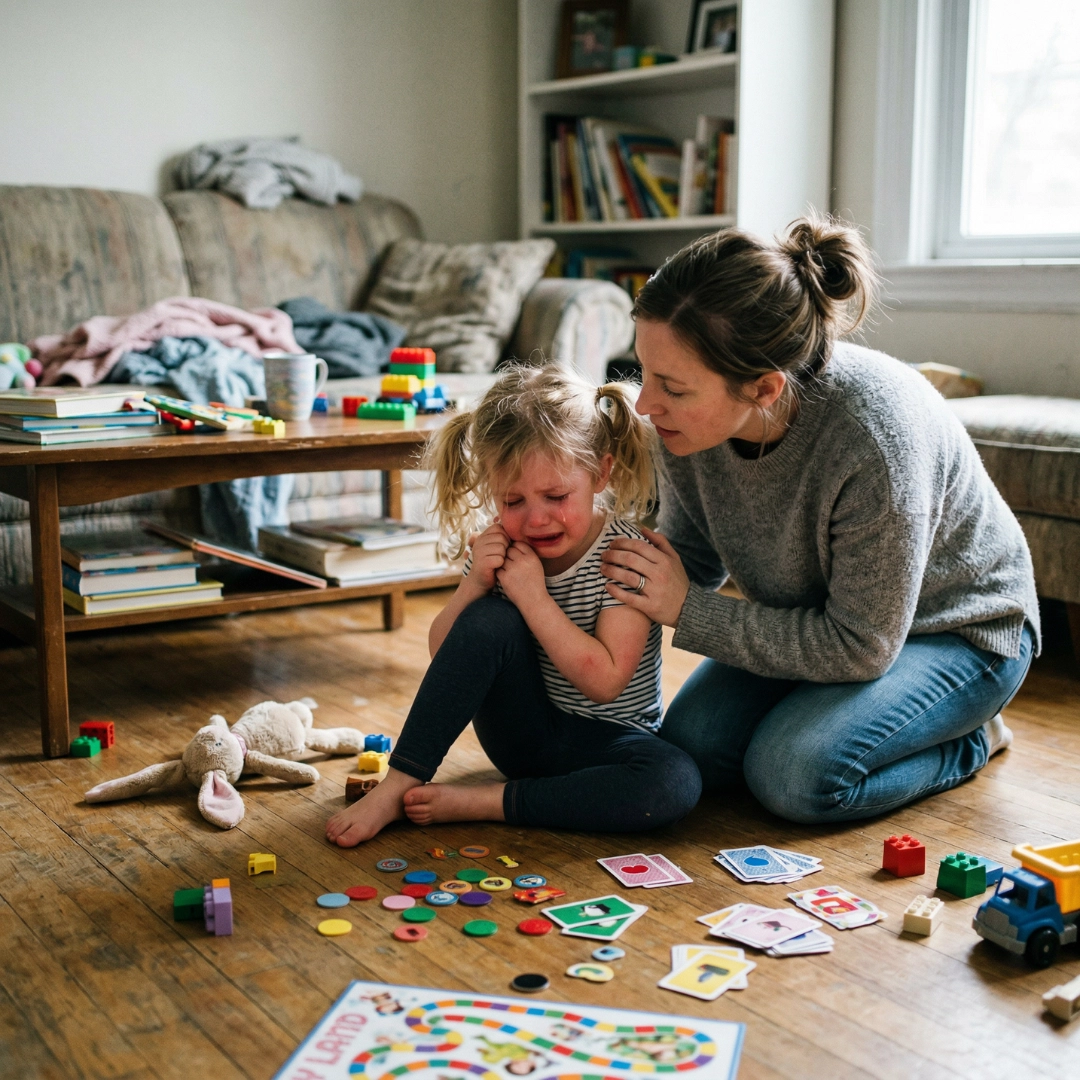
After weeks or months of difficult bedtimes, something subtle happens: the bedtime routine itself becomes a trigger.

The bath, the pajamas, the story — these cues now signal to your child's brain that anxiety is coming. So their nervous system activates earlier and earlier. Some children start showing bedtime dread right after dinner.

This isn't manipulative behavior. It's classical conditioning. Their brain learned that bedtime = stress, and now it prepares accordingly.

Breaking this pattern requires giving the brain a new association: bedtime = calm, safe sensory input. Not silence. Not stillness. Something to hold onto.
5 stars
Trusted by 37,000+ families across the USA
What Happens When You Address the Real Cause
Real reviews from USA parents — verified purchases.
Nervous SystelNight One
"I thought my son was just being stubborn at bedtime. Three years of battles. Then I read about the nervous system piece and everything clicked. We tried the Bombees pillow and he was asleep in 22 minutes on night one. I cried.
Jessica S. Verified Purchaser
RelaxedFidget
"We had tried melatonin, white noise, blackout curtains, every routine you can imagine. Nothing worked long-term. This pillow works because it actually addresses why she can't calm down. She fidgets with the little buttons and I can watch her whole body relax. Week three now and she's asking for it herself."
Amanda M. Verified Purchaser
Evenings BackAll Night
"My 7-year-old needed me in the room for over an hour every single night. I was exhausted. A friend mentioned the Bombees pillow and honestly I was skeptical — a pillow? But within a week he was falling asleep on his own. Now he asks for one kiss and I'm out in 10 minutes. I have my evenings back."
Megan T. Verified Purchaser
OT approvedErgonomic
"Our daughter's occupational therapist had been recommending sensory tools for bedtime for months. When I showed her the Bombees pillow she said 'that's exactly the type of input she needs.' That was the confirmation I needed. Six weeks later, bedtime is the easiest part of our day."
Lauren K. Verified Purchaser
Frequently Asked Questions
Everything you need to know about Bombees
Does My Child Need a Diagnosis for This to Help?
Plus
No. The Bombees Calming Pillow was designed for any child who struggles to wind down at bedtime — whether or not they have a formal diagnosis. You don't need a doctor to tell you bedtime is hard. If your child takes a long
How Is This Different From a Weighted Blanket?
Plus
Weighted blankets provide deep pressure — which is one type of sensory input. The Bombees pillow provides tactile fidget input through its built-in sensory elements — a different mechanism that engages the hands and actively occupies the anxious brain. Occupational therapists describe weighted blankets as "holding the body still while the brain keeps racing." The Bombees pillow gives the brain an active, calming task to focus on. Many families use both.
How Long Until We See Results? Plus
Some parents see a difference on the very first night. Most families notice a change within the first 3–7 nights. A small number take 2–3 weeks to build the habit of using the sensory elements at bedtime.

This is why we offer a full 60-night trial — we want you to have enough time to see a real difference, not just a lucky first night.
My Child Is Only 2. Is It Safe?
Plus
Yes. The Bombees pillow is designed for children ages 2–10. All materials are OEKO-TEX certified and non-toxic. All sensory elements are securely attached — no loose parts, no choking hazards. The pillow has been tested to meet US child safety standards.
Do you ship internationally? Plus
Yes. We ship to most countries worldwide. Standard delivery takes 5-7 business days. All orders include free shipping.
What If It Doesn't Work for Us?
Plus
We offer a full 60-night money-back guarantee. If you don't see a meaningful change in your child's bedtime within 60 nights, contact us for a complete refund. No questions, no return shipping required
Is It Also Ergonomically Designed? Plus
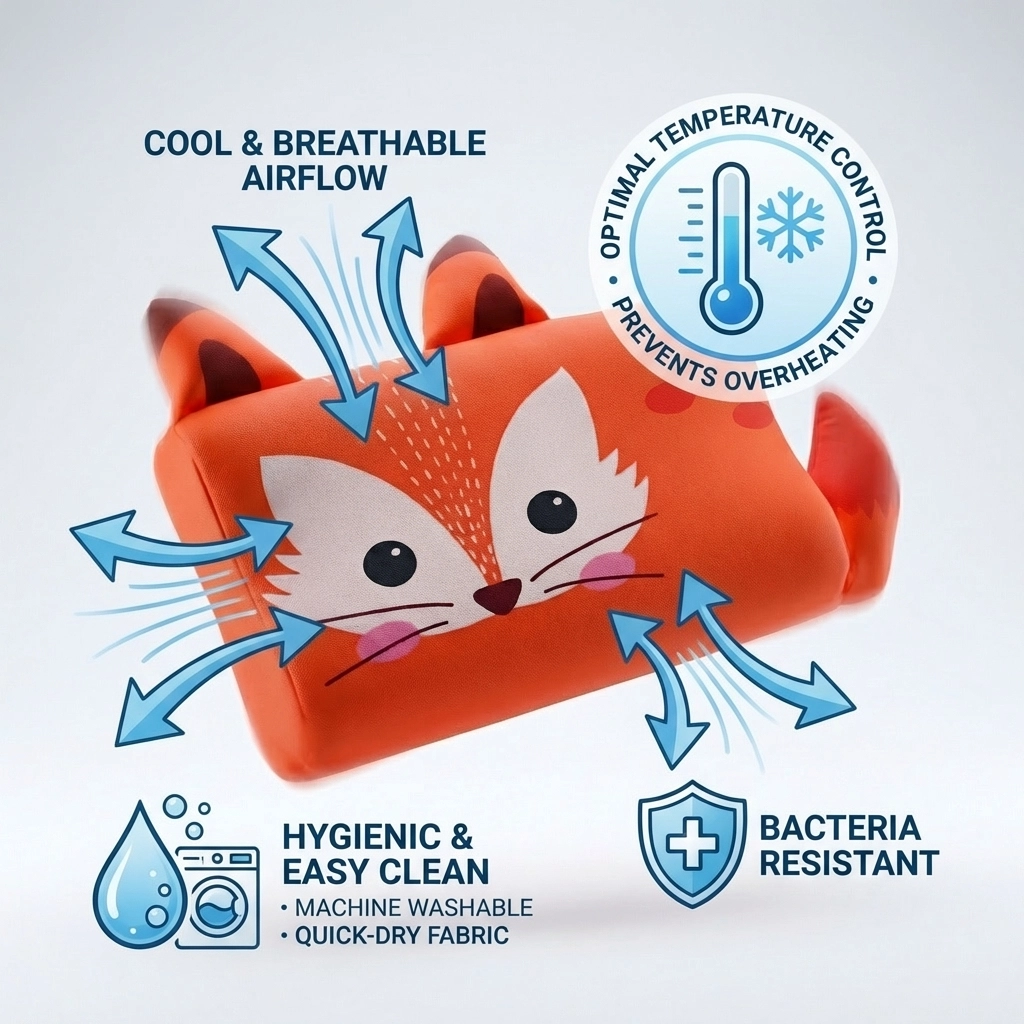
The Bombees Calming Kids Pillow was designed from the ground up for children's bodies — not scaled-down adult pillows. The ergonomic shape supports your child's still-developing neck and spine in the correct sleeping position, reducing restlessness caused by physical discomfort. The sensory elements and the ergonomic support work together: a body that is physically comfortable reaches calm faster. Most children's pillows address one or the other. This one does both.
Choose Your Child's Pillow ArrowRight
Frequently Asked Questions
37,000+ Happy Families
Your Child Deserves a Calm Bedtime. So Do You.
Thousands of families across the USA have discovered that what their child needed wasn't more rules, more melatonin, or more time spent lying in the dark.

Their child's nervous system needed something to hold onto. A soft, familiar sensory anchor that tells the brain: the day is over. You're safe. You can let go.

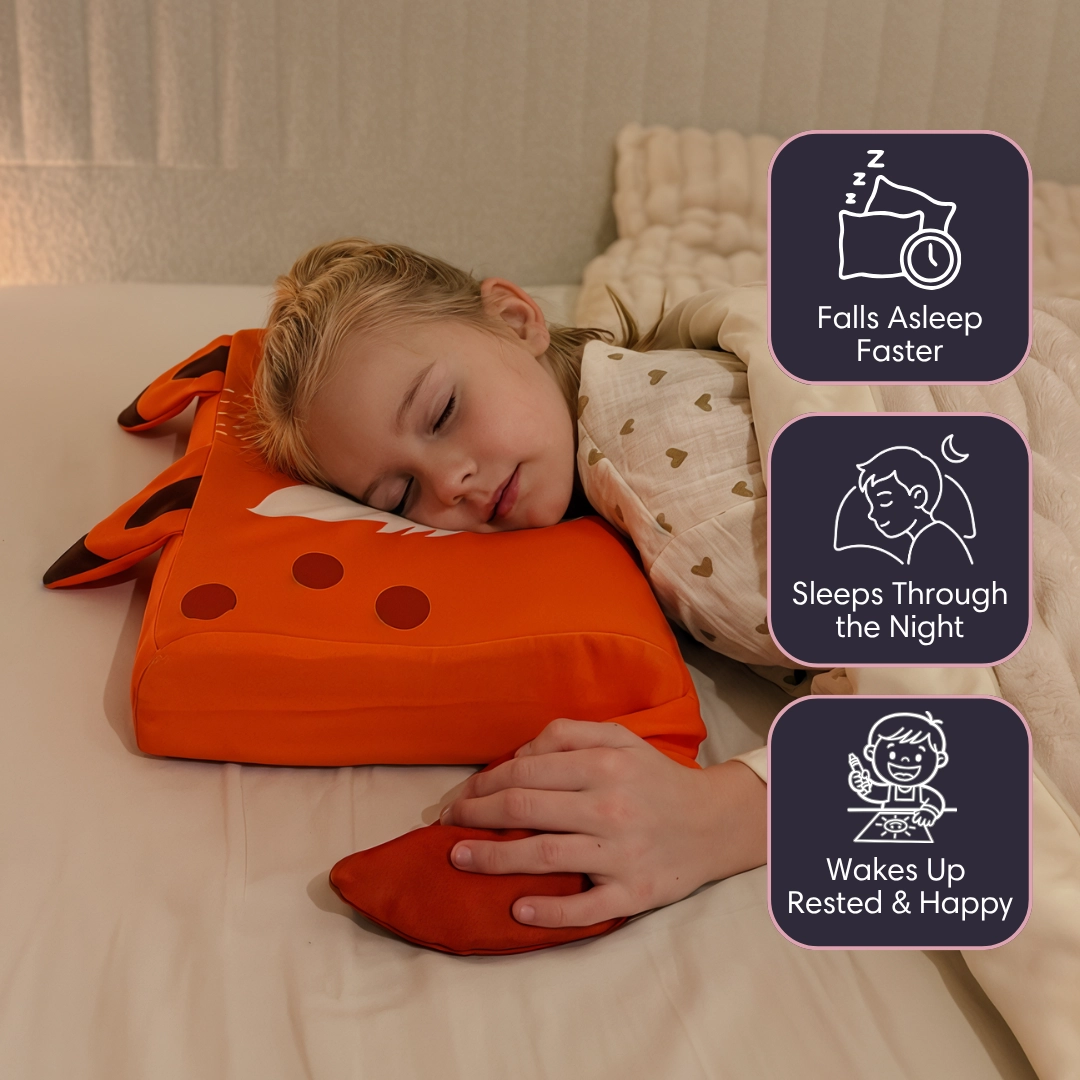
The Bombees Calming Kids Pillow gives them exactly that — every single night.

Designed to support calm sensory input at bedtime, it helps children gently wind down and feel safe enough to fall asleep.
ShieldCheck 60-day money-back guarantee
Your Child Deserves a Calm Bedtime. So Do You.

MEDICAL DISCLAIMER:

The information provided on this page and in any linked materials is for informational purposes only and is not intended as medical advice. It should not be used as a substitute for professional medical diagnosis, treatment, or guidance.

If your child has any medical condition or ongoing health concerns, consult a qualified healthcare provider before use. Never disregard or delay seeking professional medical advice because of something you have read here.

If you believe your child may be experiencing a medical emergency, contact your doctor or emergency services immediately.

The Bombees Calming Kids Pillow is designed to support relaxation and comfort, but it is not a medical device.

These statements have not been evaluated by the Food and Drug Administration. This product is not intended to diagnose, treat, cure, or prevent any disease.