
Melatonin doesn't calm an overstimulated child. It tries to override one. Here's what actually works — and why thousands of parents are making the switch.
It's 8:15 p.m. You've done the bath, the books, the songs. You've tucked them in twice. You've answered "one more question" four times. And now you're sitting on the floor next to their bed — again — in the dark, waiting.
Your child isn't being difficult on purpose. You know that. But they're wired. Their little body is exhausted — you can see it in their eyes — yet their brain simply won't stop. They're fidgeting with the blanket, asking for water, humming to themselves, kicking their feet. They look like they need to run a lap, not fall asleep.
Ninety minutes later, you finally tiptoe out. You've lost your entire evening. You're too tired to do anything meaningful. And somewhere in the back of your mind, you're already dreading tomorrow night.
"I've tried everything. The routines. The white noise. The blackout curtains. I even tried melatonin — and I felt terrible about it."
If that sounds like you, you're not alone — and you are not failing. What you're dealing with is one of the most exhausting and least-discussed challenges of early parenthood: a child whose nervous system hasn't learned how to downshift at the end of the day.
Melatonin is something many parents reach for out of sheer desperation — and there is no judgment in that. When you've been sitting on the floor of your child's bedroom for the fourth night in a row, you'll try almost anything. Melatonin feels like a reasonable, even responsible choice. It's widely available. Pediatricians sometimes mention it. Other parents swear by it.
For some children — particularly those with circadian rhythm irregularities or jet lag — melatonin can genuinely help. But for the majority of children who struggle with bedtime, the problem isn't a melatonin deficiency. The problem is that their nervous system is still running at full speed when it's supposed to be winding down. And melatonin doesn't address that. It attempts to override a system that hasn't been given what it actually needs to slow down.
Think of it this way: if a car's engine is still revving at 4,000 RPM, pressing the sleep button on the dashboard doesn't solve the problem. The engine is still running. You've just added a signal that's being ignored.
So what does it actually take to bring a child's nervous system down from that state? That's the question worth asking — and the answer is more accessible than most parents realize.
After a full day of school, daycare, screens, noise, and social interactions, many children arrive at bedtime in a state of heightened arousal. Their nervous system is still processing everything that happened. Their brain is still "on" — not because they're choosing to be difficult, but because their autonomic nervous system hasn't received a clear enough signal to shift gears.
This isn't a behavior problem. It isn't bad parenting. It's a physiological state — and it's increasingly common. Research suggests that children with higher sensory sensitivity often have a harder time making the neurological transition from active to calm. Their sympathetic nervous system — the "fight or flight" branch — remains activated well past the point where the day's demands have ended.
For sleep to occur naturally, the body needs to shift toward parasympathetic dominance — the "rest and digest" state. Heart rate slows. Breathing deepens. Muscle tension releases. But this shift doesn't happen on command. It requires the right kind of input.
When a child's nervous system is in an alert state, it actively searches for sensory input. An empty, quiet room can actually increase that scanning behavior — there's nothing to signal "safe."
Touch is one of the most direct pathways to the nervous system. Rhythmic tactile input — rubbing a texture, tracing an edge — sends a steady "safe" signal to the brain and supports the parasympathetic shift.
The nervous system calms through consistency. A familiar object with predictable texture and shape becomes a reliable anchor — something the brain can stop searching and simply rest against.
Children who struggle to fall asleep often don't need more silence — they need a tactile anchor. Something real to hold onto while their nervous system completes its natural wind-down process. This is the principle melatonin cannot address — and why regulation-based support works differently.
Here are 5 reasons why regulation-based support works better — and an introduction to the specific tool that's making it possible for thousands of families.
The most important distinction between melatonin and a sensory pillow isn't about which one "works faster." It's about what they actually do to your child's body.
Melatonin is a hormone that signals to the body that it's time to sleep. It can be helpful in certain contexts — particularly for circadian rhythm issues — but it doesn't address the underlying state of arousal. A child who is overstimulated and anxious doesn't need more of a sleep signal. They need help getting calm enough for that signal to work.
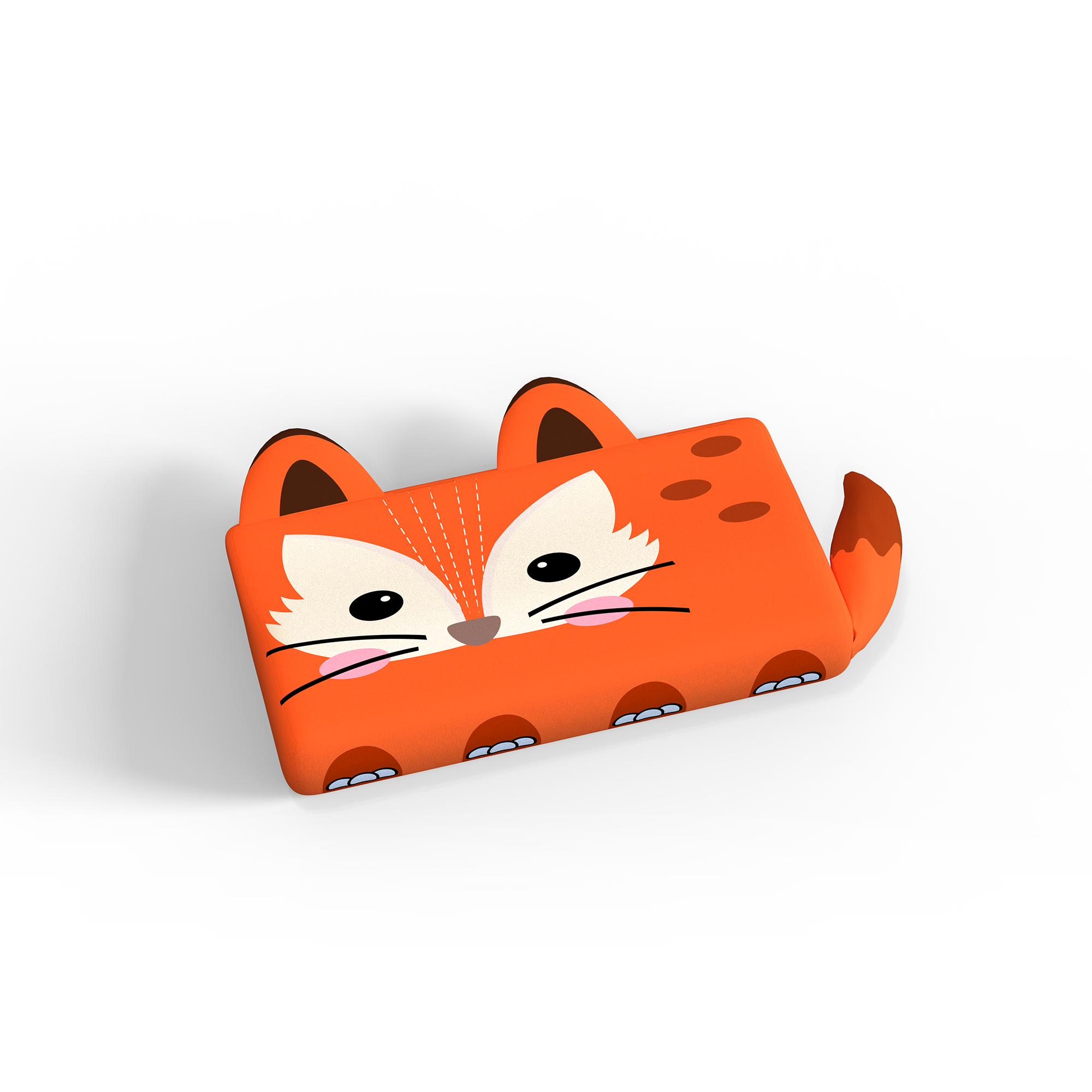
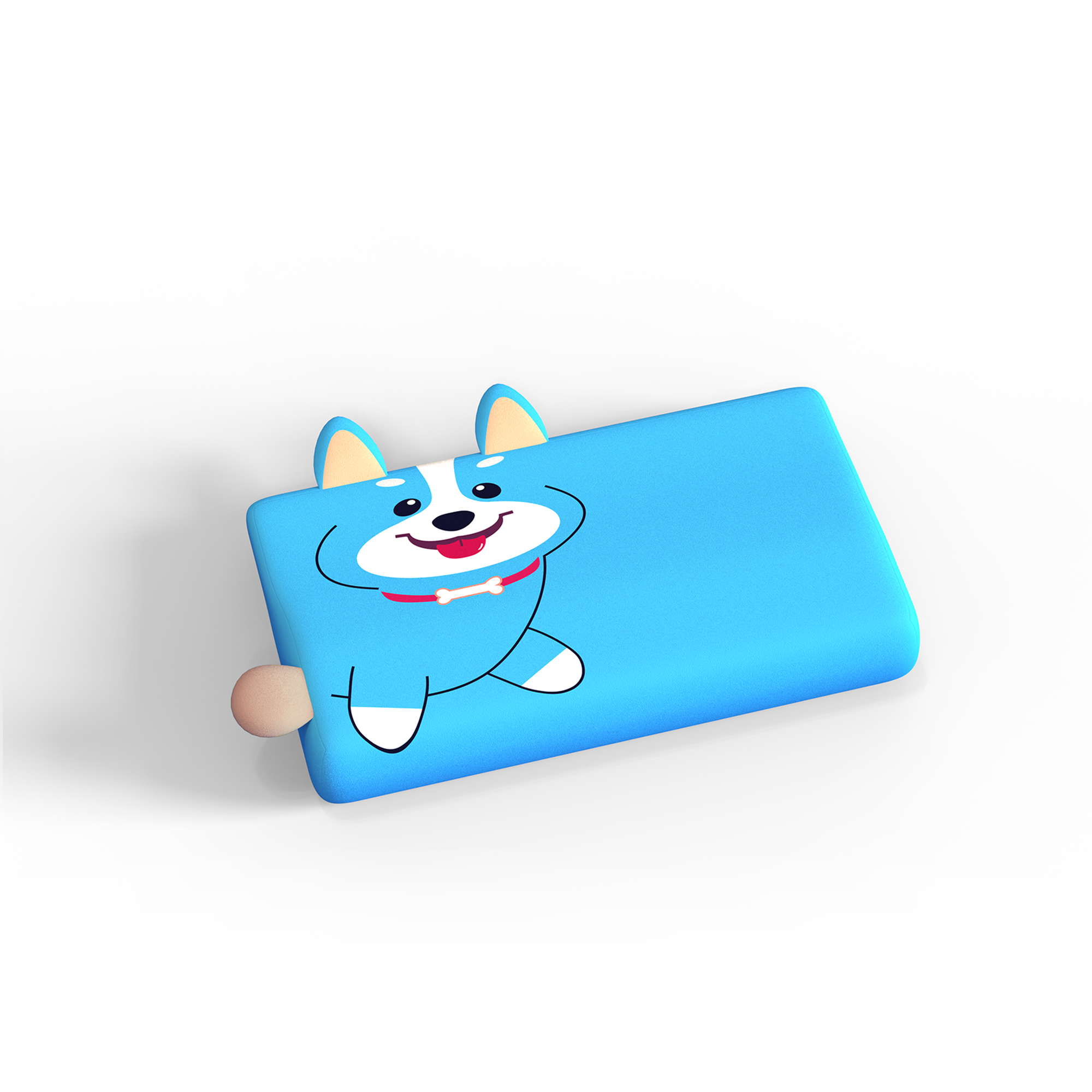
The Bombees Sensory Pillow works differently. The tactile elements — the soft ears, the textured tail — give your child's nervous system a gentle, repetitive input that many occupational therapists describe as "grounding." It doesn't push your child toward sleep. It helps them arrive there on their own, from a calmer baseline.
A child who learns to regulate themselves is building a skill they'll carry for life. A child who relies on an external substance to sleep is not.
Here's something parents rarely hear explained clearly: for many children, the real enemy of sleep isn't darkness or noise or the wrong bedtime. It's an unoccupied mind with nothing to anchor to.
When your child lies in bed with nothing to do, their brain doesn't go quiet. It goes searching. It replays arguments from school. It worries about tomorrow. It notices every sound in the house. It starts asking for you — not because they're manipulative, but because you are the most reliable sensory anchor they have.
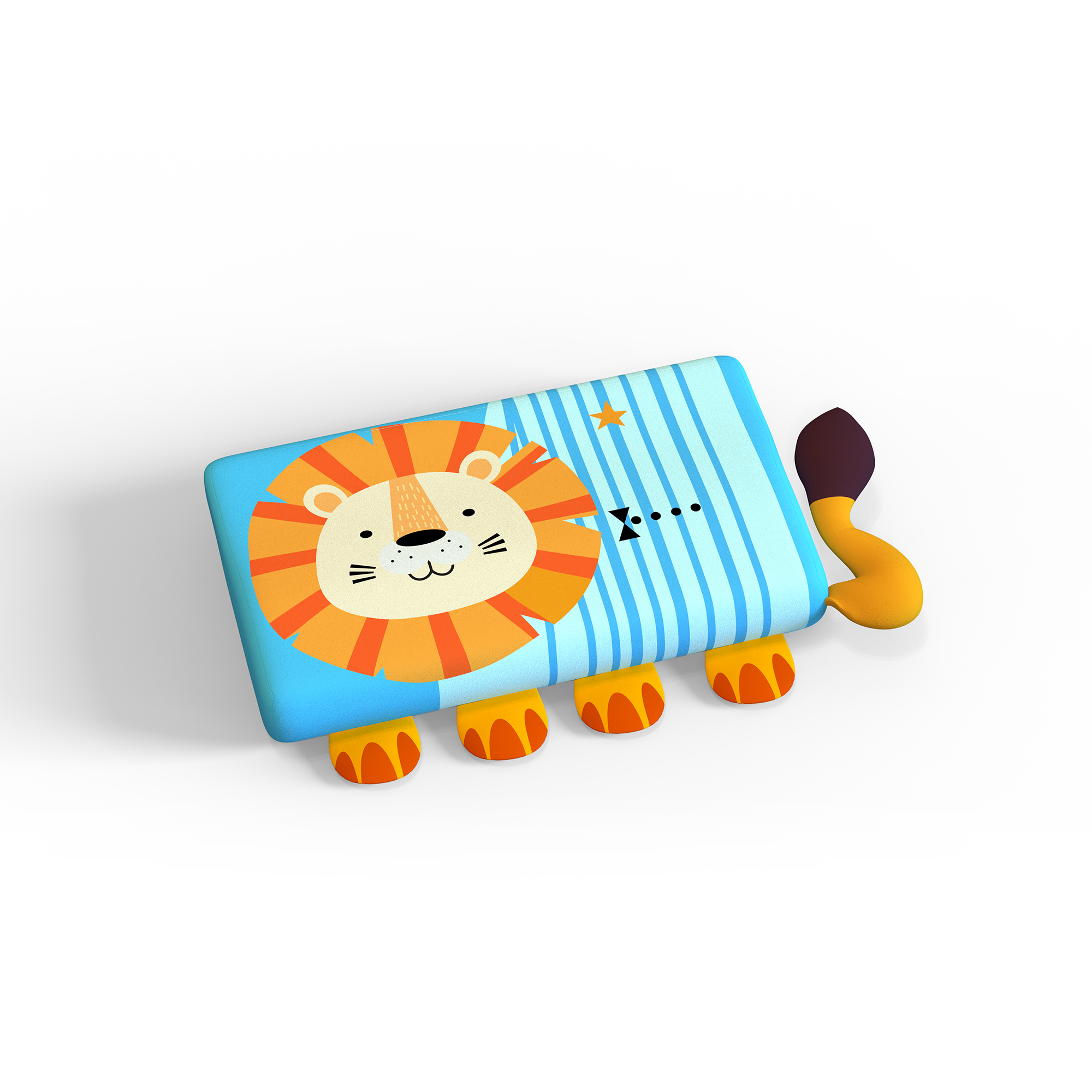
The Bombees Sensory Pillow offers a different anchor. The soft, tactile features — the little ears, the raised tail — give small hands something predictable and repetitive to explore. Many occupational therapists use similar principles when working with children who have difficulty transitioning to rest: give the hands a job, and the mind follows.
It's not stimulating in the way a toy or a screen is stimulating. It's more like the adult equivalent of fidgeting with a pen cap, or running your thumb along a familiar texture. Low-complexity, repetitive, and deeply calming.
Parents consistently report that their children stop calling out, stop asking for "one more thing," and simply… settle. Not because they've been forced to. Because they finally have something to hold onto.
Let's be honest about what the real cost of bedtime battles is. It's not just the 90 minutes. It's the fact that you never get your evening back. You're too tired to connect with your partner. You're too drained to do anything for yourself. You go to bed feeling like the whole day was just survival.
One of the most common patterns in bedtime struggles is what sleep researchers call a "sleep-onset association" — your child has learned that falling asleep requires your presence. Not because they're spoiled, but because your presence is the only regulation tool they have.
When you give your child a consistent, tactile object that provides the same kind of grounding input, you're essentially offering them a portable version of calm — one that doesn't require you to be physically present to deliver it.
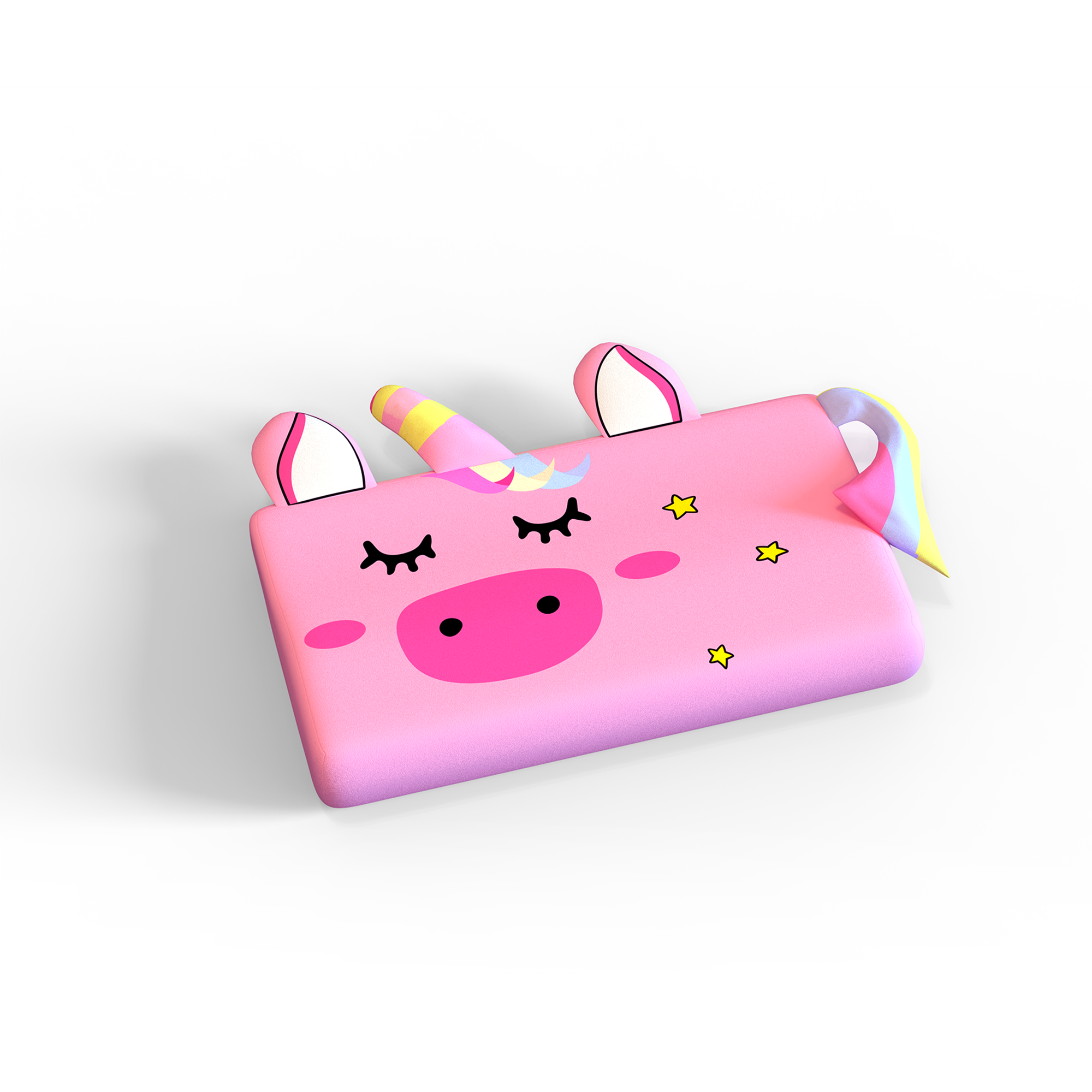
Parents who've introduced the Bombees Sensory Pillow often describe a gradual but meaningful shift: their child starts to reach for the pillow instead of calling out. The "I need you" moments become fewer. Bedtime becomes shorter. And eventually — sometimes within a few weeks — they're able to leave the room while their child is still awake.
That's not a small thing. That's your evening back.
Here's something that often gets overlooked in the bedtime conversation: physical discomfort is one of the most underrated reasons children wake up repeatedly or struggle to settle. A pillow that's too high, too soft, or simply not designed for a child's proportions creates micro-discomfort that keeps the body from fully relaxing.
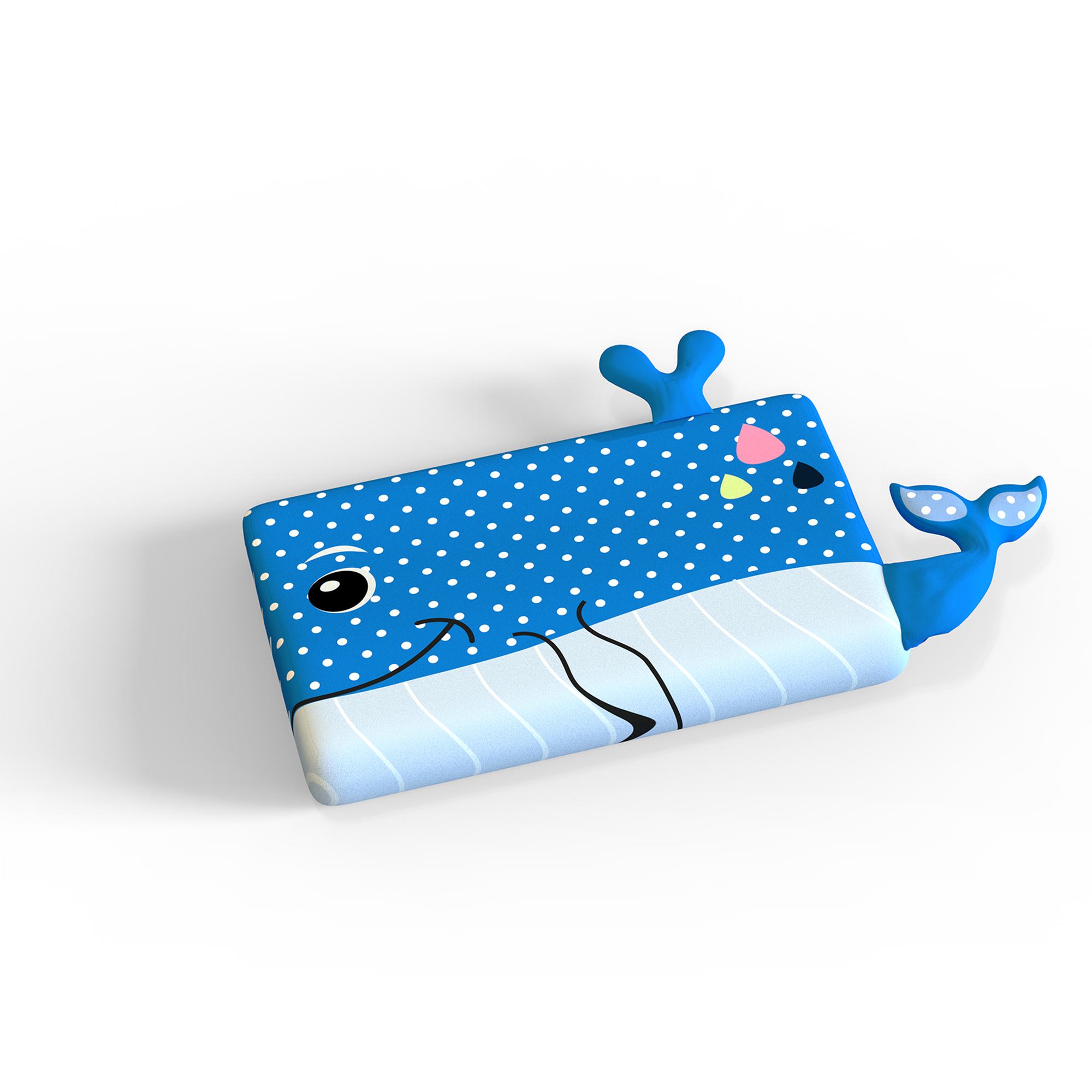
The Bombees Sensory Pillow is designed specifically for children aged 2–10. At 45 × 27 × 7 cm, it provides the right height and support for a child's head and neck — not an adult's. The breathable, moisture-wicking cover helps prevent the overheating that wakes so many children in the night.
When a child's body is physically comfortable — properly supported, at the right temperature, with no nagging discomfort — the nervous system has one less reason to stay alert. Comfort and regulation work together. You can't fully address one without the other.
The removable, machine-washable cover (30°C) means no special care instructions. Just a pillow that works and is easy to maintain — which matters when you're already exhausted.
One of the most powerful things you can give a child at bedtime isn't a new technique. It's predictability. Children's nervous systems respond extraordinarily well to consistent, repeated cues — the same sequence, the same objects, the same sensory experience, every night.
Over time, the Bombees Sensory Pillow becomes more than just a comfortable place to rest their head. It becomes a signal. Their brain learns: when I feel this pillow, when my hands find these textures, it's time to calm down. That association builds with every use — getting stronger and more effective the longer it's part of the routine.
This is fundamentally different from melatonin, which doesn't build any internal capacity. It's different from your presence, which creates a dependency that has to be unwound. And it's different from white noise or blackout curtains, which address the environment but not the child's internal state.
The Bombees Sensory Pillow travels with your child. It works at grandma's house. It works on vacation. It works after a hard day at school and after a birthday party and after a nightmare. Because the anchor is the pillow — not the room, not the routine, and not you.
That's the kind of independence that actually sticks.
If you're skeptical, that's not a character flaw. It's the result of trying things that didn't work, spending money on things that didn't deliver, and being told by well-meaning people that you just need to "be more consistent." We've heard every version of this doubt. Here's how we'd respond.
Most things parents try — routines, schedules, white noise, sleep training — address the environment or the behavior. Very few address the underlying state of the nervous system. If your child is genuinely overstimulated at bedtime, no amount of consistency will override a body that's still running at full speed. The Bombees Sensory Pillow works at a different level — it's not another routine. It's a regulation tool. That's a meaningful distinction.
That's a fair concern — the parenting product space is full of things that overpromise. We're not claiming this pillow is a cure. We're not promising it will work for every child in every situation. What we are saying is that the underlying principle — that repetitive tactile input can support nervous system regulation — is consistent with how many occupational therapists approach bedtime challenges. And we back it with a 60-day money-back guarantee, because we'd rather you try it risk-free than dismiss it based on past disappointments.
It's a real question, and it's worth taking seriously. The design of the Bombees Sensory Pillow is intentionally low-complexity — soft, subtle textures rather than buttons, lights, or sounds. It's not a toy. The tactile elements are meant to be explored passively, the way a child might rub a blanket edge or stroke a familiar stuffed animal. For the vast majority of children, this type of input is calming rather than activating. If your child is highly tactile-sensitive, we recommend introducing it gradually — during quiet time first, before making it a bedtime staple.
We hear this often — and it's usually true. Children who are highly sensitive, neurodivergent, or simply wired differently often need something that meets them where they are, not where the average child is. The Bombees Sensory Pillow was designed with exactly these children in mind. The sensory regulation principle is actually more relevant for children with heightened sensitivity — not less. That said, we're not making diagnostic claims. If you have concerns about your child's development or sleep, please speak with your pediatrician.
"I was skeptical. We'd tried the weighted blanket, the white noise, the whole routine. But within the first week, my 5-year-old started asking for her 'fox pillow' at bedtime. She stopped calling for me after lights out. I don't know exactly why it works, but it does."
✓ Verified Purchase"Before this, I was sitting on the floor of my son's room until 9:30 every night. He's 7. I felt like a hostage. Now he holds the lion pillow and I can leave after 20 minutes. It's not magic — it took about two weeks to really click — but it genuinely changed our evenings."
✓ Verified Purchase"My daughter has sensory processing differences and bedtime was genuinely traumatic for all of us. Her OT actually mentioned sensory pillows as a strategy. This one is the first thing that's made a consistent difference. She strokes the ears and just… winds down. I cried the first night it worked."
✓ Verified Purchase"We'd been giving melatonin for almost a year and I always felt uneasy about it. Tried this as an alternative. It took a few nights to establish, but now my 6-year-old asks for his whale pillow before I even start the routine. Bedtime went from 90 minutes to about 30. I feel like myself again in the evenings."
✓ Verified PurchaseImagine a bedtime that ends at 8:30. Where you tuck them in, they reach for their pillow, and you walk out — and it stays quiet. Where you don't feel the dread building at 7 p.m. Where you get to sit with your partner, or read something, or simply breathe, without guilt.
Imagine your child waking up in the night, reaching for their familiar pillow, and drifting back to sleep — without calling for you. Without the spiral of "I need water, I need another hug, I need you to stay."
Imagine feeling less like a hostage to the bedtime routine and more like a parent who has found something that actually works — not because you found the perfect method, but because your child found their own way to calm.
You don't need to earn your evenings back through perfect parenting. You just need to give your child the right tool — and then get out of the way.
That's what the Bombees Sensory Pillow is designed to do. Not to fix your child. Not to replace your love or your presence. Just to give them one small, consistent, reliable thing to hold onto when the world feels like too much — and let their own nervous system do the rest.
Fox
Lion
Unicorn
Whale
Dog
Join thousands of parents who've found a calmer, more independent bedtime — without melatonin, without staying in the room, and without the nightly battle.
60-day money-back guarantee