

So Why Can’t Her Brain Switch Off?
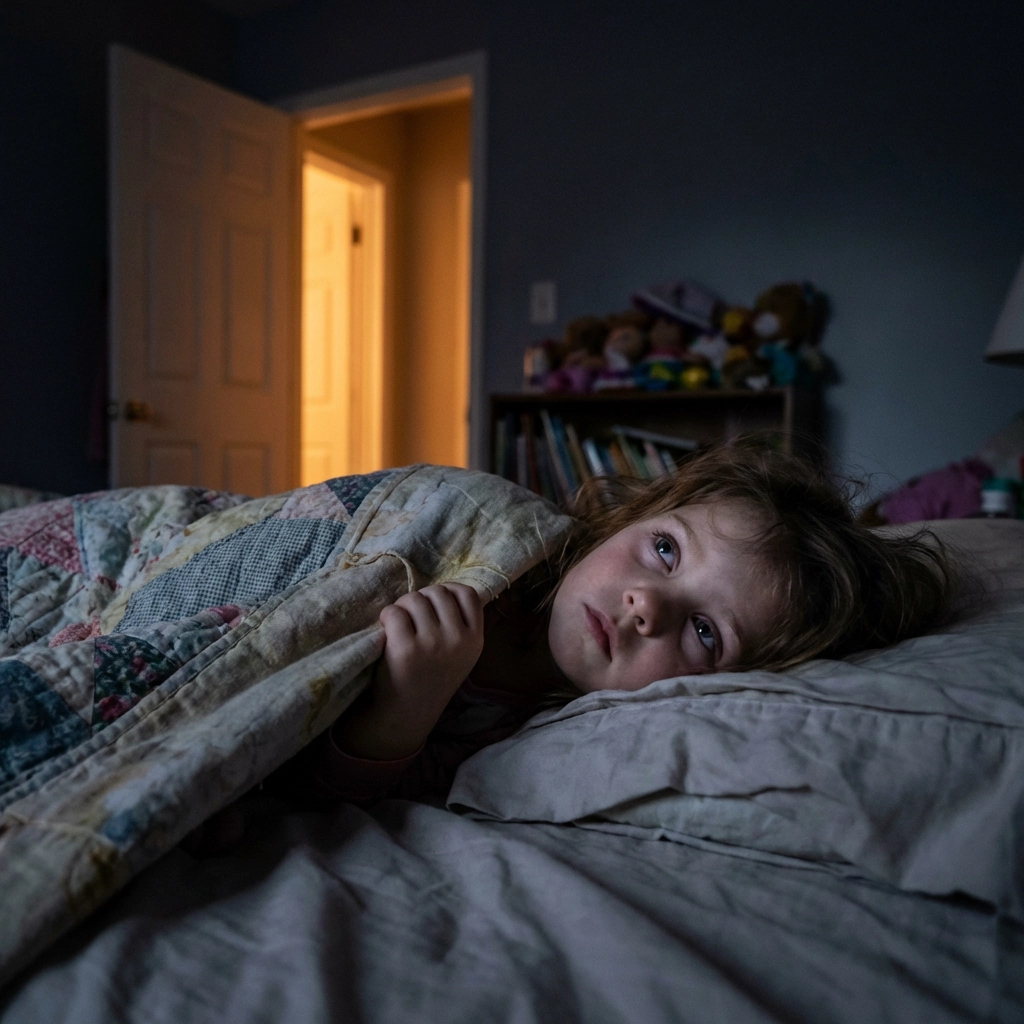
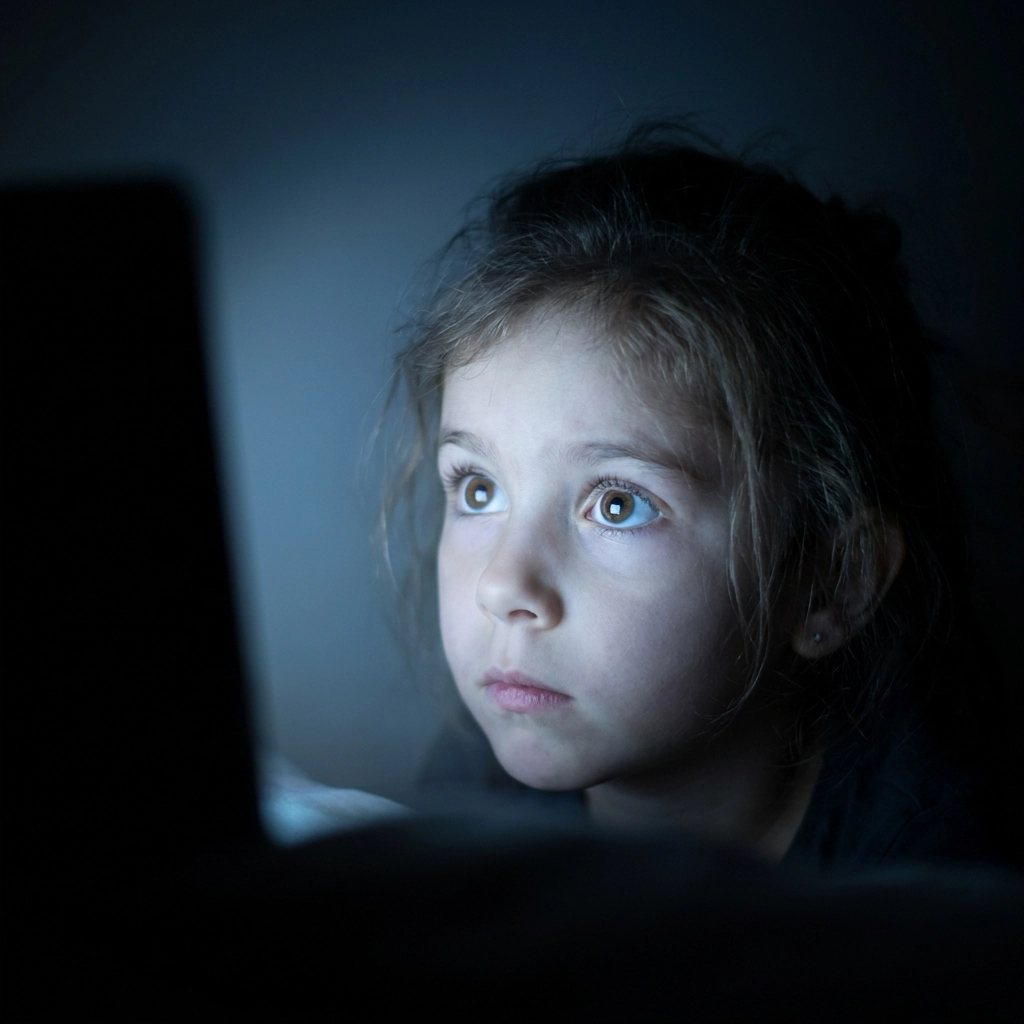
Their nervous system stays stuck in what scientists call the sympathetic state — the same "fight or flight" mode that keeps adults awake before a big presentation. In this state, the brain keeps scanning for threats, even when there are none. Even when your child is exhausted.
This is why they can't "just relax." Their body isn't listening to reason. It's listening to its own alarm system.
Melatonin is the hormone your child's brain produces to signal "it's time to sleep." But here's what most parents don't know: melatonin can only rise when cortisol — the stress hormone — drops first.
If your child's nervous system is still activated at bedtime, cortisol stays high. And high cortisol literally prevents melatonin from doing its job. This is why giving melatonin supplements often only works temporarily: it adds the hormone but doesn't address why it's being blocked.
The body needs to feel safe before it allows itself to sleep.
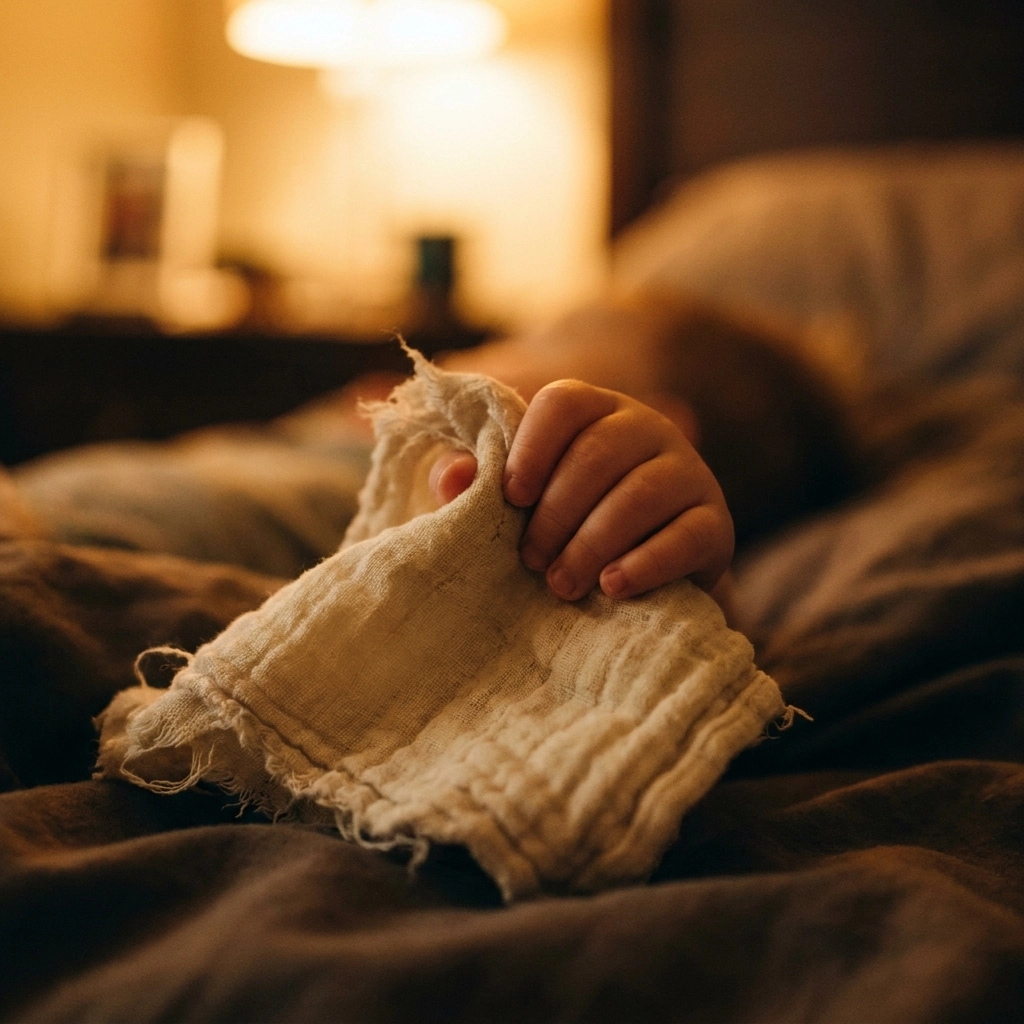
Anxious children don't calm down through stillness. They calm down through touch. When a child fidgets, rubs fabric, or traces a texture with their fingers, they're not being difficult. They're self-regulating. Their nervous system is searching for sensory input that tells it: "you're safe, you can slow down."
This is the same reason children want to hold your hand when they're nervous, or rub their favorite blanket when they're scared. The brain uses touch as a safety signal.
Without something to engage their hands at bedtime, the brain keeps searching — and keeps generating thoughts, worries, and restlessness to fill the gap.
The result: you're asking their body to sleep before it's biologically ready. And a body that isn't ready doesn't sleep quietly. It fights.
Reducing screen time before bed helps — but it doesn't fix the underlying nervous system activation. That requires a different approach.
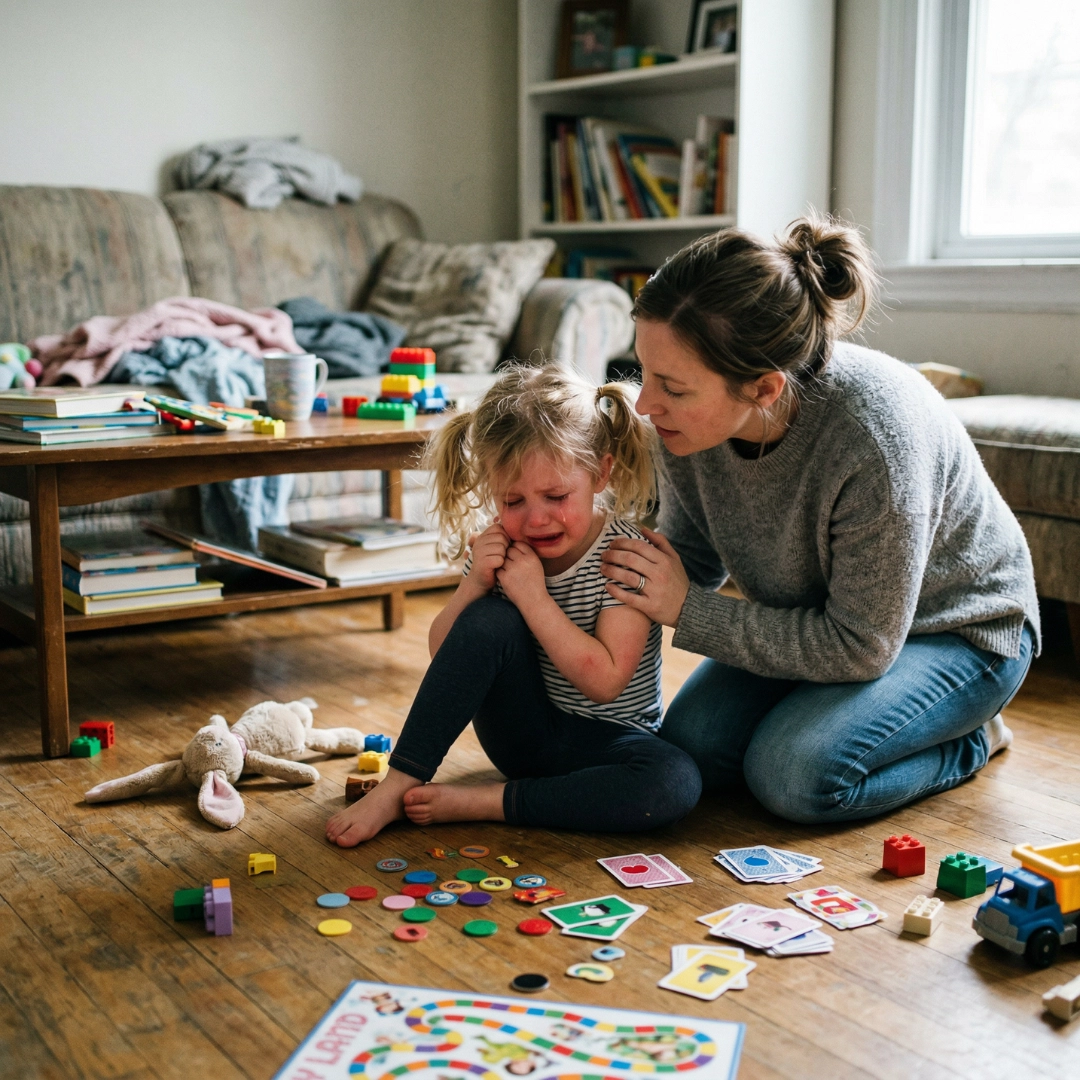
The bath, the pajamas, the story — these cues now signal to your child's brain that anxiety is coming. So their nervous system activates earlier and earlier. Some children start showing bedtime dread right after dinner.
This isn't manipulative behavior. It's classical conditioning. Their brain learned that bedtime = stress, and now it prepares accordingly.
Breaking this pattern requires giving the brain a new association: bedtime = calm, safe sensory input. Not silence. Not stillness. Something to hold onto.
This is why we offer a full 60-night trial — we want you to have enough time to see a real difference, not just a lucky first night.
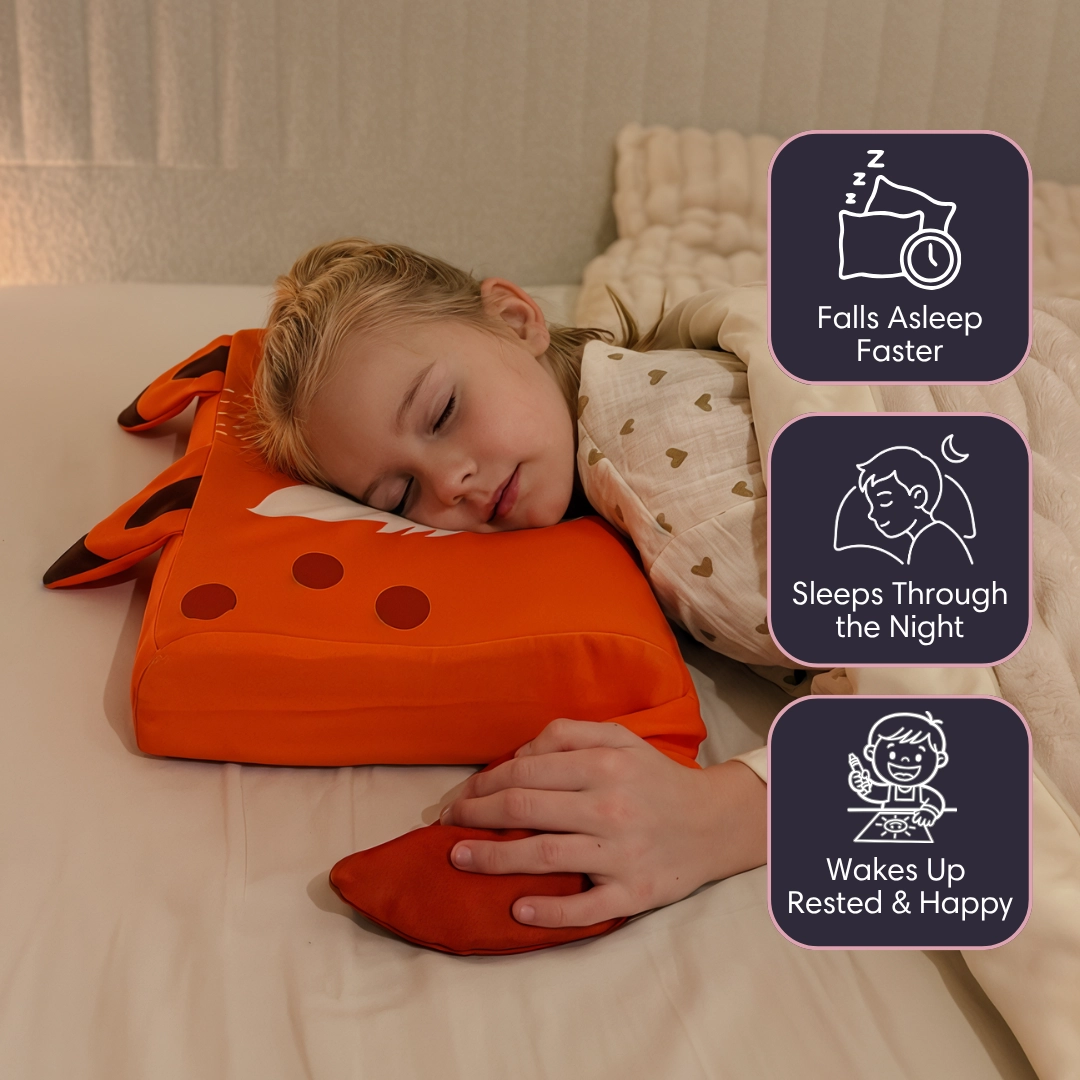
Their child's nervous system needed something to hold onto. A soft, familiar sensory anchor that tells the brain: the day is over. You're safe. You can let go.
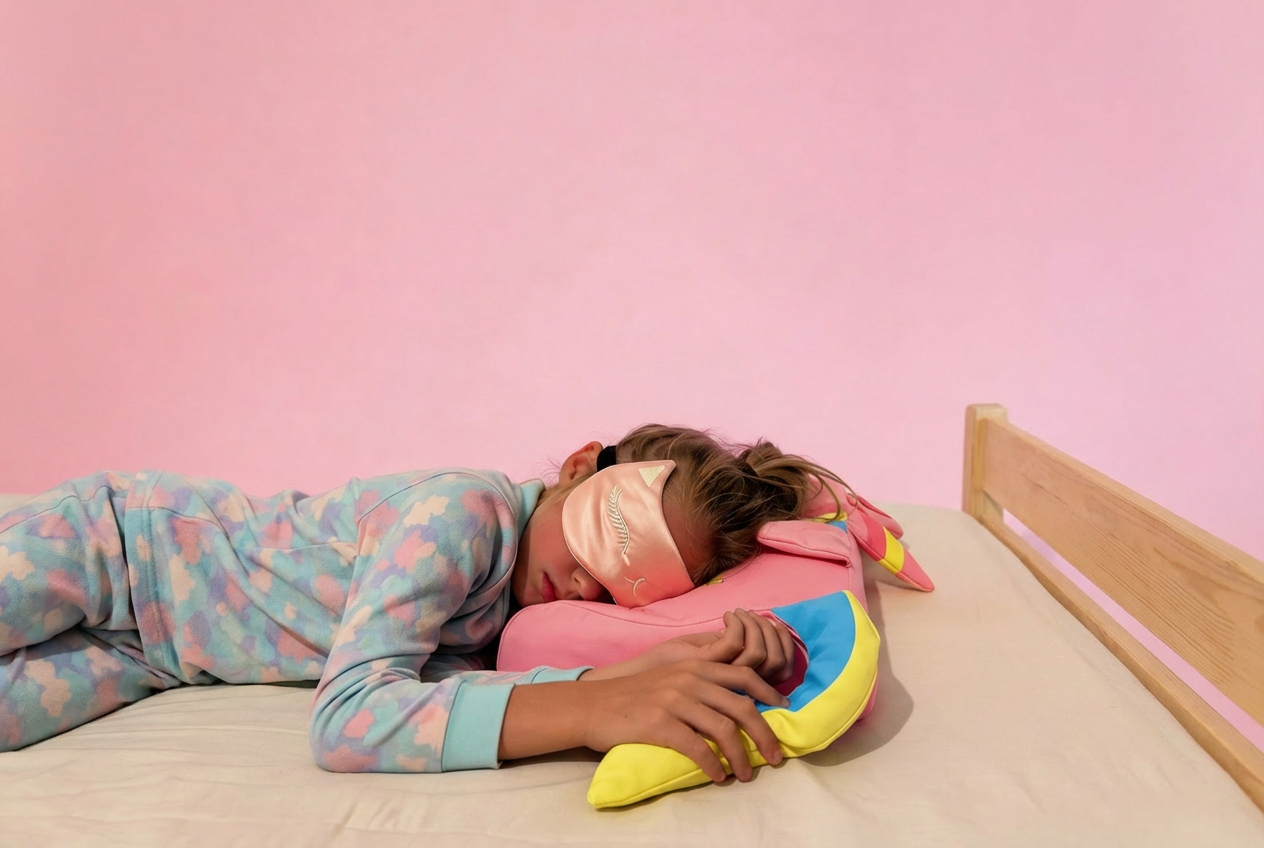
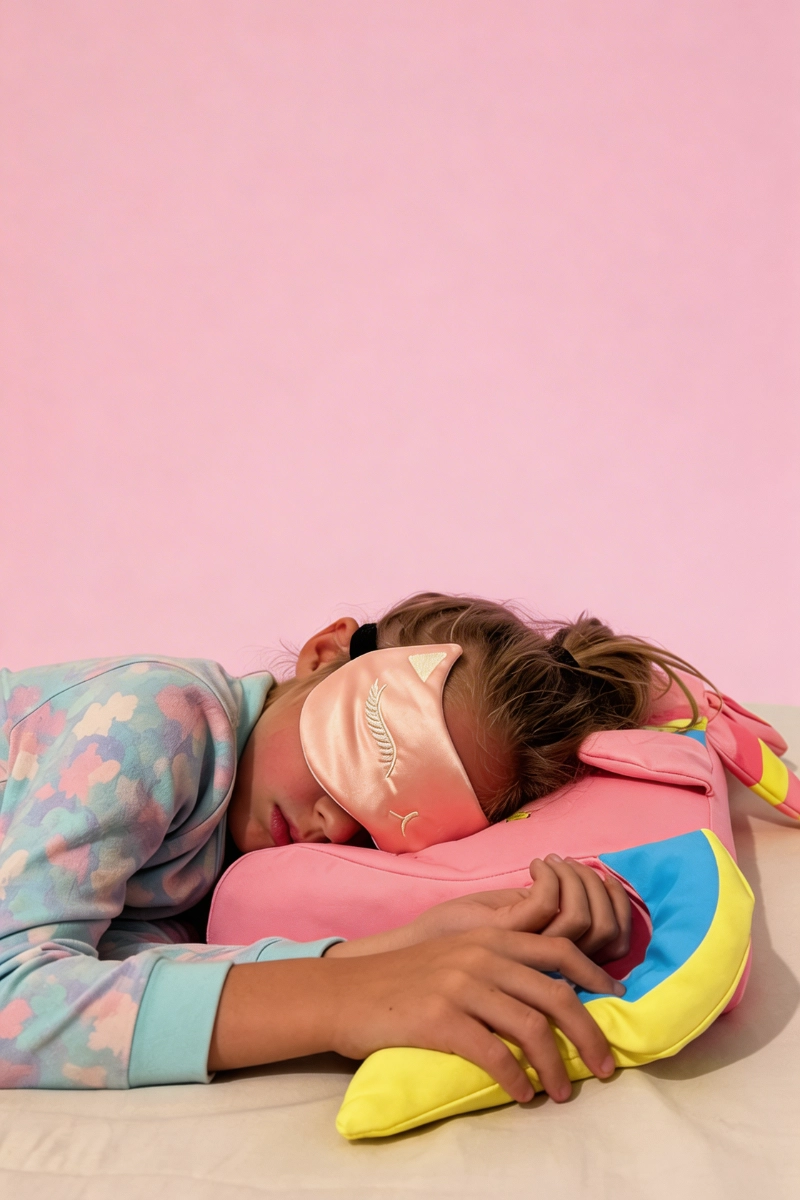
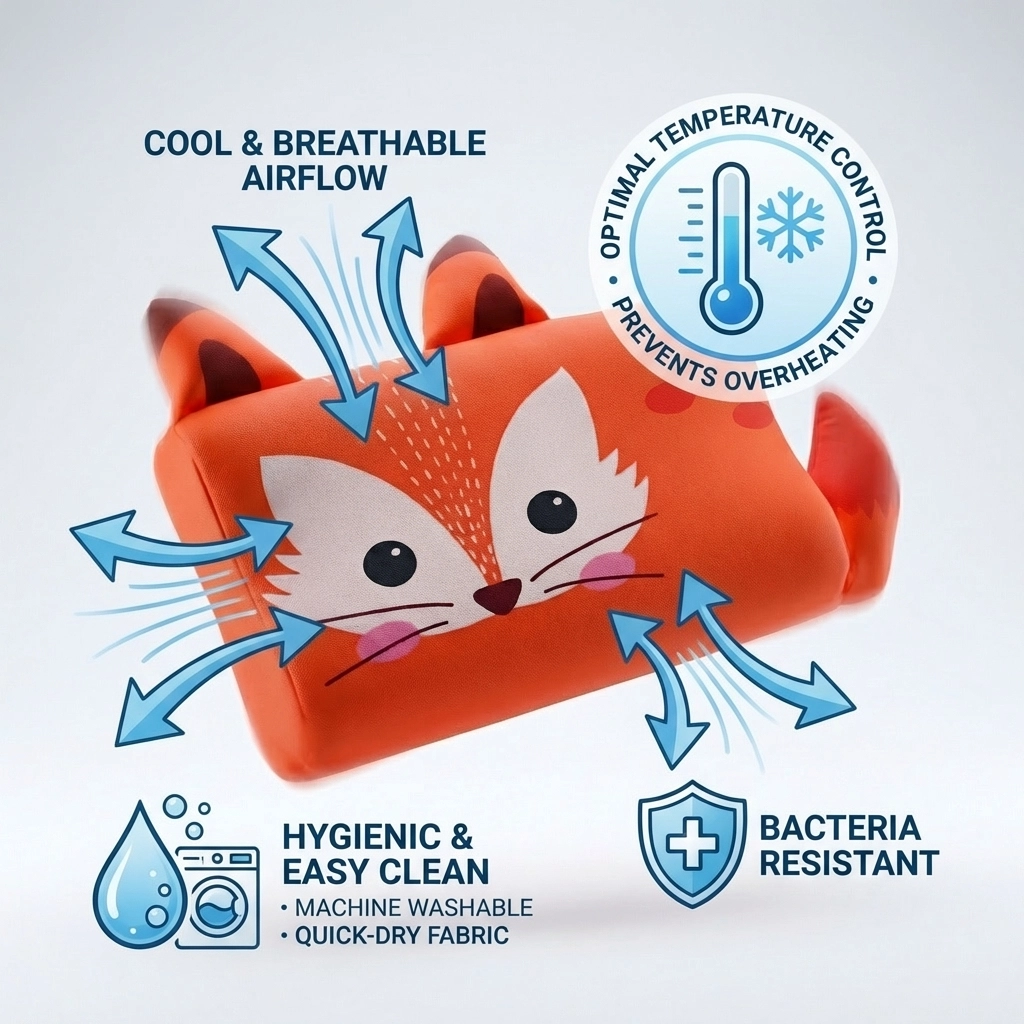
The Bombees Calming Kids Pillow gives them exactly that — every single night.
Designed to support calm sensory input at bedtime, it helps children gently wind down and feel safe enough to fall asleep.
MEDICAL DISCLAIMER:
The information provided on this page and in any linked materials is for informational purposes only and is not intended as medical advice. It should not be used as a substitute for professional medical diagnosis, treatment, or guidance.
If your child has any medical condition or ongoing health concerns, consult a qualified healthcare provider before use. Never disregard or delay seeking professional medical advice because of something you have read here.
If you believe your child may be experiencing a medical emergency, contact your doctor or emergency services immediately.
The Bombees Calming Kids Pillow is designed to support relaxation and comfort, but it is not a medical device.
These statements have not been evaluated by the Food and Drug Administration. This product is not intended to diagnose, treat, cure, or prevent any disease.